Winter in Spain: What life really feels like for expats
Ask many expats about their first winter in Spain and a common response emerges: surprise. Not because the country turns icy or extreme, but because winter behaves differently from what many expect.
Spain’s sunny image is shaped by summer holidays, beach scenes and postcard views. But when December arrives, daily life feels more grounded. Winters are rarely severe, yet they can still take newcomers off guard—particularly indoors. The experience varies widely depending on location, lifestyle and expectations before arriving.
For most expats, winter in Spain is not a deal-breaker. It is an adjustment.
So, is winter in Spain actually cold?
The short answer is: sometimes—but not in the way many people imagine.
Across much of mainland Spain, daytime winter temperatures typically range from 8°C to 18°C. On paper, that sounds mild, especially for those coming from northern Europe. On sunny days, it often feels comfortable. Cafés remain busy, terraces are still used, and people go about their routines with little disruption.
The surprise usually comes after sunset.
Inland areas cool rapidly at night. Coastal regions retain warmth longer, but humidity adds a penetrating chill. Northern Spain sees more rain and overcast skies, while the south remains brighter, though evenings can still feel cold. It is not extreme weather, but a persistent coolness that catches many newcomers unprepared.
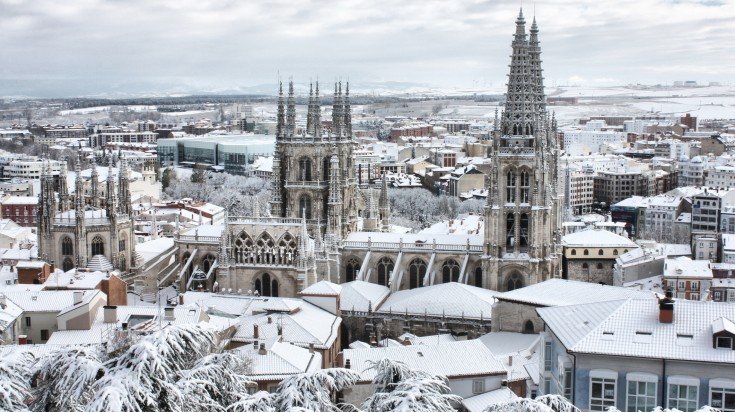
Snow is uncommon in most cities, but it is a reality in mountainous areas. One of Spain’s contrasts is that it is possible to ski in the morning and have lunch by the sea later the same day.
Read Also: Ofir Korsia: The Actress Defining Hollywood’s New Wave
Why many expats feel colder indoors than outside
This is often the biggest surprise.
Many Spanish homes were designed to cope with intense summer heat rather than winter cold. As a result, insulation is often poor, especially in older buildings. Thin walls, single-glazed windows, tiled floors and basic heating systems are common.
It leads to a familiar comment among expats: “I was warmer outside than in my flat.” For many, this is not an exaggeration.
Once the sun sets, indoor temperatures can drop quickly. In coastal areas, damp air intensifies the chill; inland, the cold is drier but sharper. Heating is available, but it is often electric, costly to run, or intended for short use rather than constant warmth.
Winter discomfort is usually less about heavy clothing and more about cold floors, extra blankets and learning to heat individual rooms rather than the entire home.
One country, many different winters
Spain does not have a single winter experience—it has several.
In the north, winters are generally wetter and greyer. Temperatures are moderate, but rain and humidity dominate, giving the region a more northern European feel.
Inland areas, including cities like Madrid, experience crisp days and cold nights. Skies are often clear, but temperatures drop sharply after dark, making reliable heating important.
Along the Mediterranean coast and in southern Spain, winters are milder and sunnier. Daytime light plays a significant role in comfort and mood, which is why these regions remain popular with expats throughout the year.
Mountain regions experience colder temperatures and snowfall, while the Canary Islands follow their own pattern altogether. There, winter feels closer to spring, with steady warmth and abundant sunshine—appealing to those who want to avoid winter almost entirely.
Winter in Spain’s major cities
Madrid often surprises newcomers. While winter days can be bright and enjoyable, nights are cold, and poorly insulated flats lose heat quickly.
Barcelona generally feels milder, but humidity makes evenings feel colder than the temperature suggests, particularly in older central neighbourhoods.
In both cities, winter is manageable. Comfort depends less on the weather forecast and more on the quality of the building you live in.
Is winter in Spain a problem for expats?
For most people, no—but it can be uncomfortable if expectations are unrealistic.
Many expats choose where to live based on summer impressions. Sunshine and outdoor life do not reveal how a home feels in January. Those who struggle most are often those who did not consider insulation, heating or regional climate differences.
Spending at least one winter in a location before committing long-term is often the best way to avoid disappointment.
What helps make winter more comfortable
Location matters, but housing matters more. Newer properties with proper insulation, double glazing and efficient heating make a noticeable difference, even in cooler regions. Sun exposure also plays an important role—a bright, well-positioned flat can feel far warmer than a shaded one.
Southern and coastal areas offer more winter sunlight, which helps both temperature and overall wellbeing. Wherever you choose to live, understanding winter conditions before signing long-term contracts is essential.
A reality many expats come to appreciate
Winter in Spain is not endless summer, but it is far from bleak. Life slows down, streets empty earlier, and routines shift indoors. It is a quieter season, offering a pause before spring returns.
For many expats, the key lesson is simple: winter in Spain is less about extreme cold and more about preparation, housing and realistic expectations.
Once those adjustments are made, winter becomes just another season—and often a surprisingly comfortable one.