Sports and Fitness: Foundations of a Healthy Society
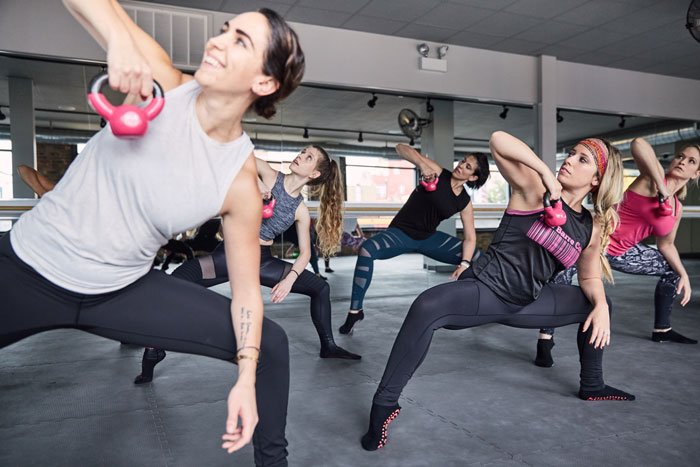
Sports and fitness play a vital role in promoting physical health, mental well-being, and social cohesion. In an increasingly sedentary world, where modern lifestyles often limit physical activity, regular participation in sports and fitness activities has become more important than ever. For individuals of all ages, engaging in physical exercise is not merely a leisure pursuit but a key component of long-term health and quality of life.
At its core, fitness refers to the body’s ability to function efficiently and effectively in daily activities, while sports provide structured, competitive, or recreational ways to achieve and maintain that fitness. Together, they contribute to stronger muscles and bones, improved cardiovascular health, better coordination, and increased endurance. Regular physical activity has been consistently linked to a reduced risk of chronic diseases such as heart disease, diabetes, obesity, and certain types of cancer.
Beyond physical benefits, sports and fitness have a profound impact on mental health. Exercise stimulates the release of endorphins, often referred to as “feel-good” hormones, which help reduce stress, anxiety, and symptoms of depression. Participation in sports can also improve focus, discipline, and self-confidence. For many people, physical activity serves as a healthy outlet for managing the pressures of daily life, offering a sense of balance and emotional resilience.
Read Also: The Life Fitness Exercise Bike: Unlocking Ultimate Fitness Potential
Sports also play an important social role. Team sports, in particular, encourage cooperation, communication, and mutual respect. They bring together people from diverse backgrounds, fostering a sense of belonging and shared purpose. Community sports clubs and fitness groups help build social connections, reducing isolation and strengthening community ties. Even individual fitness pursuits, such as running or cycling, often develop into social activities through clubs, events, and shared goals.
From a young age, involvement in sports can support healthy development. Children who participate in physical activities are more likely to develop strong motor skills, healthy habits, and positive attitudes toward exercise that continue into adulthood. Sports can also teach valuable life skills, including teamwork, leadership, time management, and perseverance. Learning how to handle both success and failure in a sporting environment can contribute significantly to personal growth and character development.
For adults, maintaining fitness becomes increasingly important as responsibilities and sedentary work patterns expand. Regular exercise helps preserve mobility, manage weight, and maintain energy levels. In later life, staying physically active supports independence, balance, and cognitive health, reducing the risk of falls and age-related decline. Sports and fitness activities adapted to different life stages ensure that physical activity remains accessible and beneficial throughout the lifespan.
Modern society has also seen a growing awareness of fitness as a preventive health measure. Governments and health organizations worldwide encourage physical activity as a cost-effective way to reduce healthcare burdens and improve population health. Public spaces such as parks, walking paths, and sports facilities are increasingly designed to promote active lifestyles. At the same time, digital fitness platforms and wearable technology have made it easier for individuals to track progress, set goals, and stay motivated.
However, it is important to approach sports and fitness in a balanced manner. Overtraining, poor technique, or unrealistic expectations can lead to injury and burnout. Proper guidance, adequate rest, and a focus on long-term well-being are essential. Fitness should be viewed as a sustainable practice rather than a short-term challenge.
In conclusion, sports and fitness are fundamental pillars of a healthy and productive society. They support physical strength, mental clarity, and social connection while encouraging discipline and resilience. Whether through organized sports, individual exercise, or community-based activities, regular physical activity offers benefits that extend far beyond the body. By prioritizing sports and fitness, individuals and communities invest not only in better health, but in a higher quality of life overall.