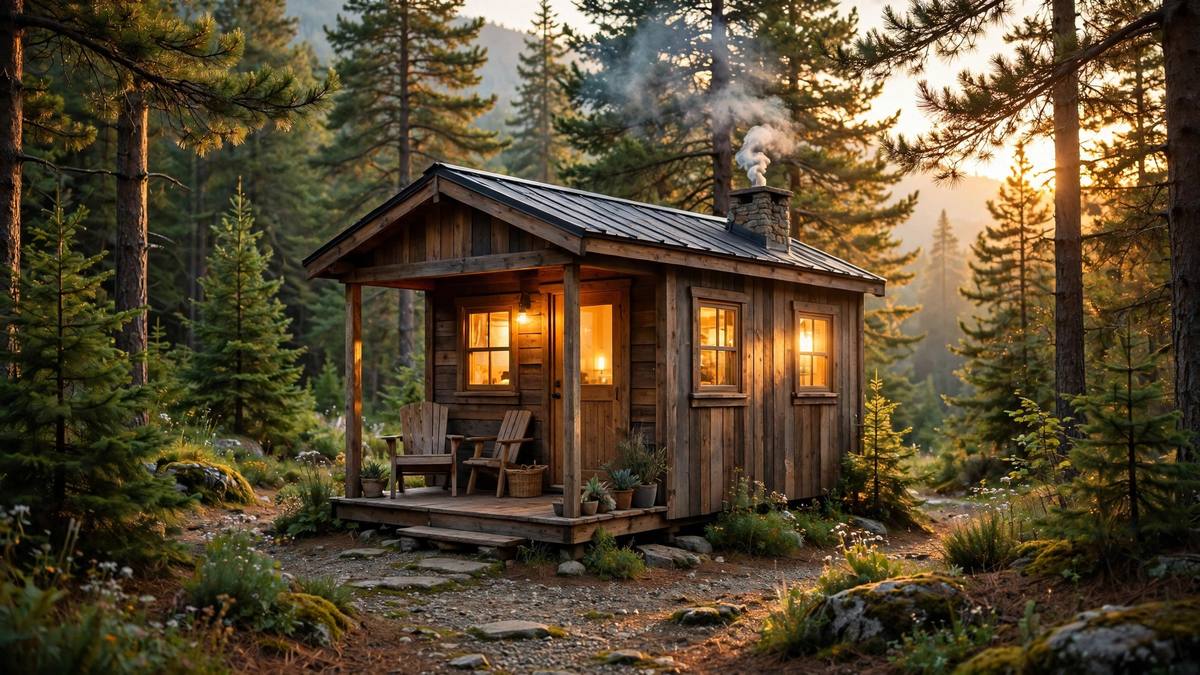
The average home price keeps climbing into the stratosphere, but there's a whole world of adorable, livable homes hiding under the $50,000 mark. We're talking real houses — with kitchens, bathrooms and actual charm — not garden sheds with delusions of grandeur.
The tiny home movement has matured from a quirky TV trend into a serious housing alternative, and the budget end of the market is where things get really interesting. Whether you're dreaming of a weekend cabin, a minimalist full-time home or just love scrolling through impossibly cute small spaces, this one's for you. At BuzzFeed, we've rounded up what your money can actually buy — and the fine print nobody posts on Instagram.
Why Tiny Homes Blew Up
The math is hard to argue with. When starter homes in many cities cost half a million dollars or more, a well-built tiny home for under $50K isn't just cute — it's one of the few remaining paths to owning your own walls without a crushing mortgage. Add remote work (your office can be anywhere), minimalism fatigue with clutter, and a genuine desire for lower bills and smaller footprints, and you've got a movement.
The market has responded with an explosion of options: kit homes you assemble yourself, converted sheds and barns, factory-built models shipped on trucks, and a thriving secondhand market. As Zillow's tiny home guide notes, buyer interest in small-space living has stayed remarkably strong even as the broader market cooled.
What $50K Actually Gets You
Before we dive in, a quick note on expectations: at this budget, you're buying smart, not big. Every option below involves trade-offs — sweat equity, rural locations, or compact footprints. But that's rather the point: these homes prove that clever beats spacious when the price is right.
Let's be concrete about what's realistic at this price point:
- DIY kit homes ($15K–$35K): the structure arrives flat-packed; you (and handy friends) provide the labor. Sweat equity keeps costs low.
- Shed-to-cabin conversions ($20K–$40K): a quality prefab shell finished into a genuine small home with insulation, plumbing and power.
- Used tiny homes on wheels ($25K–$50K): the secondhand market is full of well-kept models from owners who upsized.
- Small manufactured homes ($35K–$50K): factory-built, surprisingly spacious, and financeable in some cases.
What's consistent across all of them: clever design matters more than square footage. Loft bedrooms, fold-down tables, and storage stairs turn 300 square feet into something that genuinely works.
The Hidden Costs Nobody Mentions
Here's where we keep it real, because those dreamy photos never show the spreadsheet. The home itself is only part of the cost:
- Land: the big one. Buying or leasing a plot — or paying pad fees at a tiny-home community — can rival the home's cost.
- Zoning and permits: many areas restrict where tiny homes can legally sit. Research local rules BEFORE buying anything.
- Utilities: well, septic, solar or grid hookups add up fast in rural spots.
- Insurance and financing: traditional mortgages often don't apply; expect personal loans or cash, and specialty insurance.
- Delivery and setup: transporting a tiny home and craning it into place can run several thousand dollars.
Bankrate's financing guide is essential reading here — the funding landscape for tiny homes is its own special puzzle.
7 Things to Check Before You Buy
Your pre-purchase checklist:
- Zoning first: confirm tiny homes are legal where you want to live — this kills more dreams than anything else.
- Inspect the bones: check insulation, roofing, trailer condition (for homes on wheels) and moisture damage.
- Test the layout in person: photos lie; stand in the shower, lie on the loft bed, open every cabinet.
- Get the weight and dimensions: critical if you'll ever move it — bridge clearances are unforgiving.
- Ask about utilities: how do water, sewage and power actually work in this specific setup?
- Budget 20% extra: for the surprises. There are always surprises.
- Talk to owners: tiny-home communities are famously generous with advice — use them.
Done right, a sub-$50K tiny home isn't a compromise — it's freedom: lower bills, less cleaning, less stuff, more life. Just go in with eyes open, spreadsheet ready, and a good inspector on speed dial. Your future self, sipping coffee on a tiny porch with no mortgage hanging over you, will be glad you did the homework.