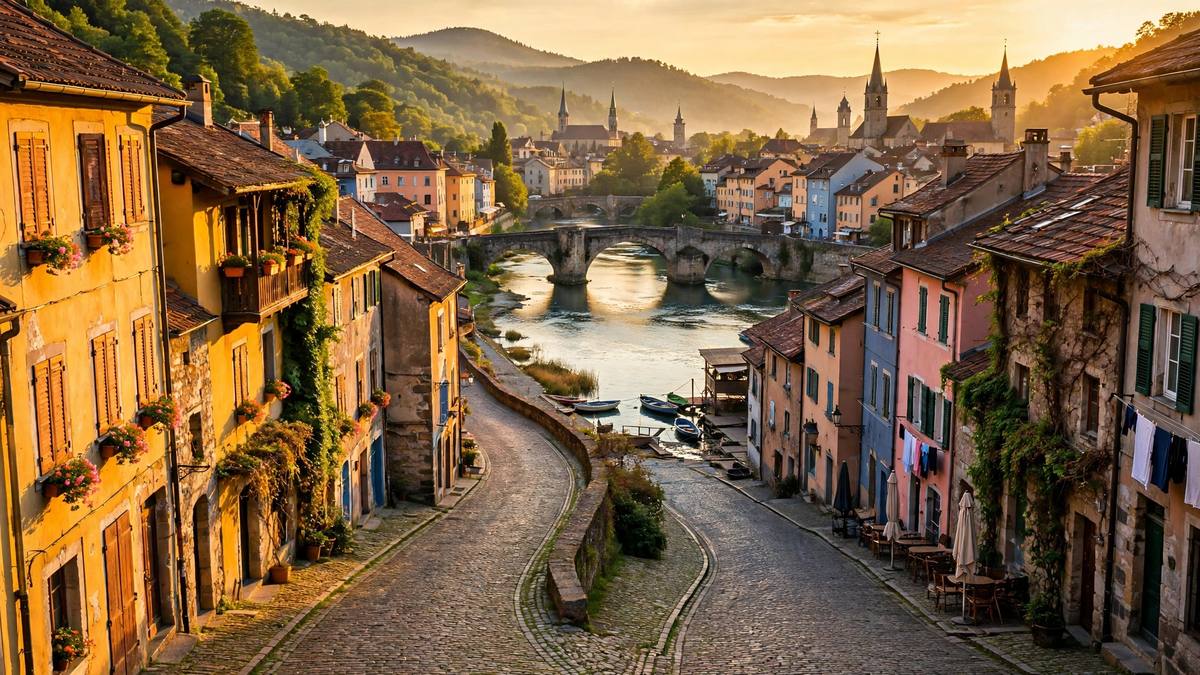
Paris is magical. Rome is eternal. But they're also packed, pricey, and — let's be honest — a little predictable. Europe is full of cities that deliver the same jaw-dropping beauty, world-class food, and rich history without the selfie-stick crowds. Here are 15 underrated European cities that deserve a spot on your 2026 travel list.
The Culture Capitals You Haven't Heard Enough About
- Ljubljana, Slovenia — A fairy-tale capital with a castle on a hill, a car-free old town, and café culture that rivals Vienna at half the price.
- Ghent, Belgium — Medieval towers, canal views, and a food scene that quietly outshines Bruges, minus the tour buses.
- Porto's rival: Coimbra, Portugal — One of Europe's oldest university cities, with soulful fado music and river views that photographers dream about.
- Tbilisi, Georgia — Technically transcontinental, but this city's sulfur baths, mountain backdrop, and legendary hospitality make it unforgettable. Georgia's tourism board reports record visitor growth as travelers discover the Caucasus.
- Valencia, Spain — Barcelona's cooler, calmer sibling: futuristic architecture, paella's birthplace, and beaches without the chaos.
Foodie Paradises Flying Under the Radar
- San Sebastián's neighbor: Bilbao, Spain — The Guggenheim put it on the map, but the pintxos bars and Basque cuisine keep people coming back.
- Palermo, Sicily — Street food capital of Italy. Arancini, cannoli, and markets that assault your senses in the best way.
- Kraków, Poland — Pierogi, vodka bars in medieval cellars, and one of Europe's most beautiful main squares — all remarkably affordable.
- Lyon, France — France's actual gastronomic capital (sorry, Paris). The bouchons alone are worth the trip.
- Thessaloniki, Greece — Seafront promenades, Byzantine history, and a food scene locals proudly defend as Greece's best.
Hidden Gems for Nature and Adventure Lovers
- Bergen, Norway — Gateway to the fjords, with colorful wharf houses and mountain trails starting right in the city.
- Innsbruck, Austria — Alpine adventures with imperial architecture. Ski in the morning, palace-tour in the afternoon.
- Riga, Latvia — Art Nouveau architecture galore and a Baltic beach 20 minutes away.
- Ljubljana's countryside — Okay, we're cheating, but Lake Bled and the Julian Alps are an easy day trip from the capital.
- Tromsø, Norway — For the ultimate 2026 bucket list: northern lights, Arctic culture, and midnight sun depending on the season. The official Norway travel guide calls the region one of the world's great wilderness frontiers.
How to Do These Cities on a Budget
Underrated cities are already cheaper than the big names — but a few tactics stretch your budget even further. Stay in locally-run guesthouses rather than international chains; you'll pay less and get insider tips from hosts who actually live there. Eat where workers eat — the busy lunch spots near offices and markets serve the most authentic food at the lowest prices in any city on this list. Walk everywhere: these cities are compact, walkable, and best discovered on foot anyway. And check city tourist cards — many of these destinations offer passes bundling transit and museum entry that pay for themselves in a single day. Traveling in the shoulder season doesn't just save money; it gives you the city at its most genuine, when locals outnumber visitors and life runs at its normal, wonderful pace.
Two final pro tips: pack for walking — comfortable broken-in shoes matter more here than in any big capital, since the best discoveries happen on foot — and get travel insurance that covers trains, not just flights. Europe's rail strikes and delays are rare but real, and the right policy turns a disruption into a mere anecdote.
Smart Tips for Visiting in 2026
Traveling to lesser-known cities comes with perks — lower prices, friendlier locals, easier reservations — but plan smart. Book trains early for the best fares across Europe's excellent rail network; Eurail passes remain one of the best values for multi-city trips. Visit in shoulder season (April–May or September–October) for great weather and thinner crowds. And learn ten local phrases — in smaller cities, the effort is noticed and rewarded with genuine warmth.
The BBC Travel team regularly highlights how second-city tourism spreads economic benefits beyond overcrowded hotspots — so your trip does good, too. Ready to plan your escape? Check out more travel inspiration on BuzzFeed and start building that 2026 itinerary.