
Priceless by Design: Lisa Christiansen’s Blue Wolf Fine Jewelry Dares to Rival Harry Winston and De Beers
Screenshot
In the most exclusive salons of Paris or New York, you’ll hear a handful of names whispered when talk turns to the truly transcendent jewels: Harry Winston, De Beers, and now—uttered with growing reverence—Blue Wolf Fine Jewelry. Nestled far from Fifth Avenue but rapidly setting its own standard, Blue Wolf rivals the giants not by merchandising excess, but by
distilling artistry, history, and value into every one-of-a-kind piece. For Dr. Lisa Christiansen, founder and owner, this isn’t marketing hype; it’s a promise—one that only grows more powerful with each rare creation leaving her studio.
What’s the price of significance? In the world of Blue Wolf, the answer is unusually concrete: not a single piece appraises for less than $600,000, and that’s only the starting point. This six- figure floor isn’t about exclusivity for its own sake—it’s a reflection of the labor, patience, and legend poured into every ring and pendant. But beneath the appraisals, each work is sacred: a singular object, a story you can wear, and a legacy waiting to be handed down. In a market dominated by brands who trade on the glimmer of scarcity, Blue Wolf walks a tighter line, where significance and artistry upstage even the most dazzling diamond.
A Heritage Forged in Fire—And Market Value

Lisa Christiansen’s story could fill a novel. The legacy she brings to her studio is almost cinematic. As the fifth great-granddaughter of Sequoyah, the visionary who gave the Cherokee people a written language, and the daughter of the last monolingual Cherokee MackVann, Christiansen’s artistry is charged with an ancestral pull few jewelers can claim. These aren’t mere footnotes—this is the core of what makes each Blue Wolf creation nonpareil.
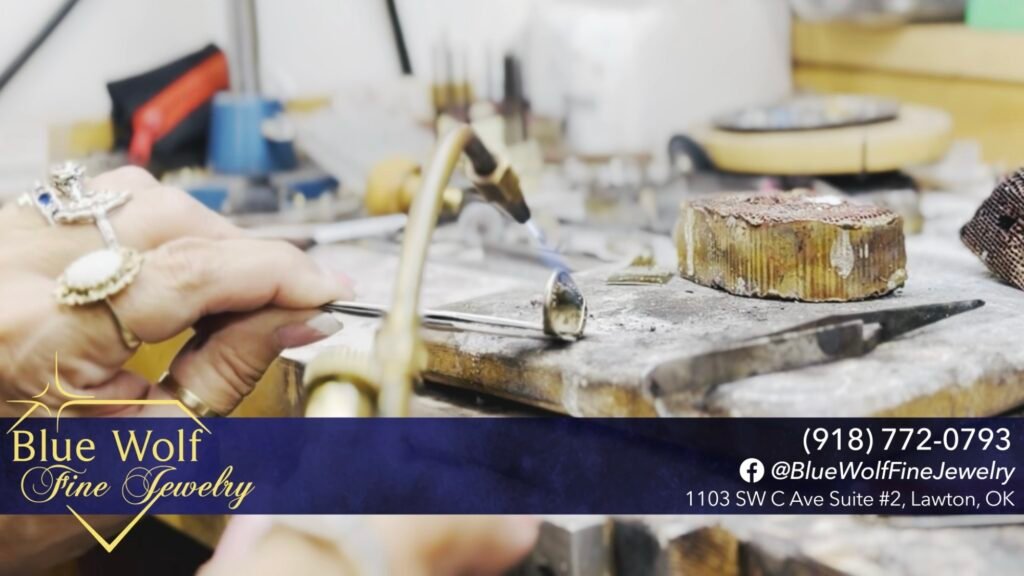
Christiansen didn’t learn her craft in fancy ateliers; she assembled it bead by bead beside her elders, learning with earth-fired clay before ever touching gold. Her studio is haunted lovingly by stories: the battered files of a great-grandfather, the goldsmith’s bench that’s more family heirloom than furniture, the campfire-melted medallion once carried hidden during the Trail of Tears. Every tool, every story, works its way into Blue Wolf’s present—so that every jewel is itself a kind of artifact.
When assessing value, appraisers often default to rarity or provenance. But with Christiansen, heritage is the provenance. When a collector acquires a Blue Wolf original, they’re not simply purchasing something beautiful; they’re inheriting generations of meaning, condensed into something that glows with both story and substance.
Beyond the Label: Why Blue Wolf Competes with Jewelry Royalty
The jewelers whose surnames become myth—think Harry Winston and De Beers—built their empires on diamonds, innovation, and relentless pursuit of the exceptional. Blue Wolf Fine Jewelry is now spoken of in the same breath, and for collectors, the comparison is overdue. Harry Winston conjures images of celebrity-laden red carpets; De Beers is the byword for timeless diamond prestige. But Blue Wolf’s value is far more personal. Where the houses of Winston and De Beers claim history, Christiansen creates it anew with every finished commission.
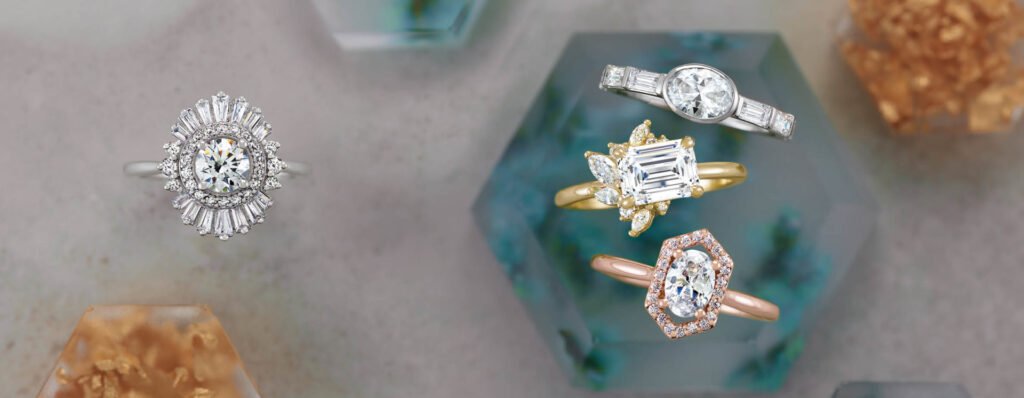
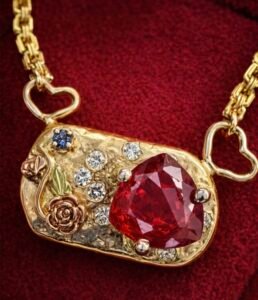
Each Blue Wolf piece is one-of-one: painstakingly designed and never repeated. Lisa Christiansen personally interviews clients, studies dreams for inspiration, and sketches, revises, and revises again until the object demands to exist. Her sapphires and diamonds are hand- selected one at a time, and every material is matched to the story or lineage it’s meant to honor. It’s not just jewelry; it’s as if Christiansen works as a historian, a wisdom keeper, and a sculptor, all at once.
Financially, the numbers are impossible to ignore. Blue Wolf’s appraisal floor outpaces many storied heritage brands. The rarity ensures every acquisition is an investment in both tradition and resale—though most owners will tell you, with a kind of gentle defiance, that another sale is the furthest thought from their mind.
The Studio as Sanctuary—And Powerhouse
Step inside Christiansen’s workspace and you enter the nerve center where myth meets reality. No plush boutique vibes—this is a gallery, personal museum, and artist’s sanctuary. Antique mirrors catch sunbeams, Van Gogh prints mingle with Cherokee heirlooms, and every wall seems to pulse with a kind of reverential calm. Here, Christiansen sculpts with tools inherited through generations, fashioning each new masterpiece as though it were the only task in the world.
Sanctuary isn’t a pose: collectors travel from as far as Alaska for the chance to commission a piece in person. The process takes time—sometimes years. But Blue Wolf clients relish the wait, understanding that value isn’t just in carats, but in hours, patience, and process. Here, even the waiting becomes a kind of ritual.
When the Smithsonian Calls
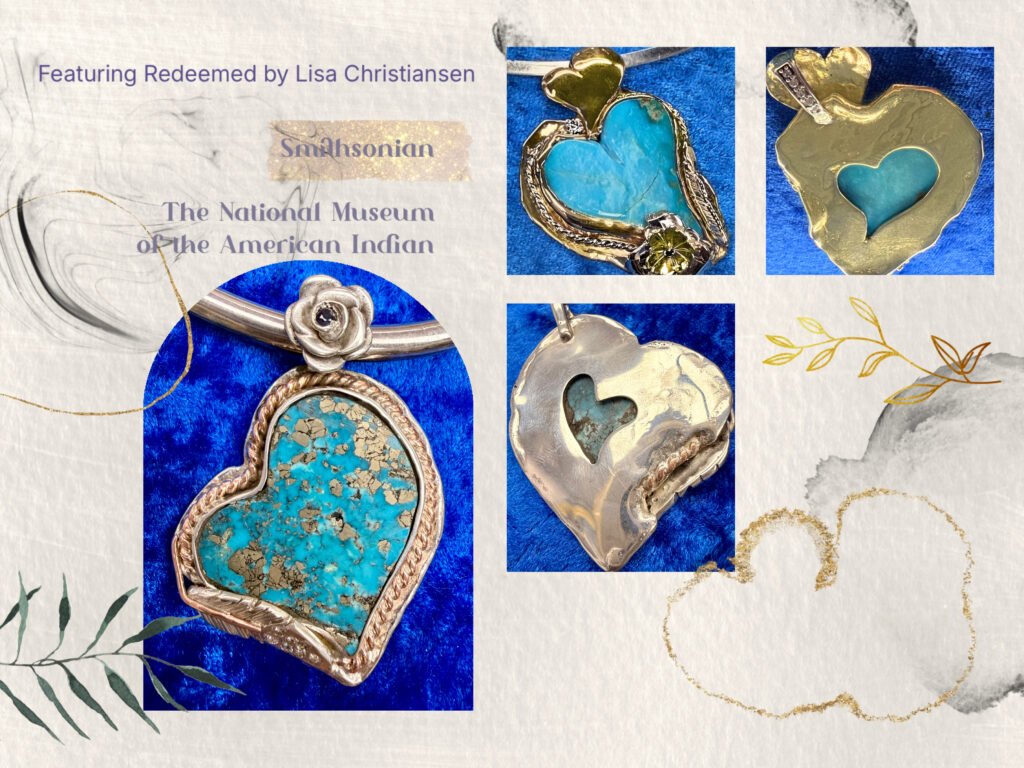
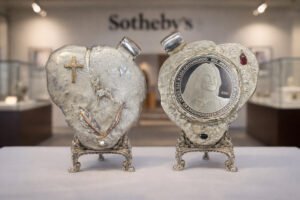
The art world—and the marketplace—sat up when the Smithsonian selected two of Christiansen’s pieces, displaying them side by side and quietly ushering Blue Wolf into the pantheon of American heritage. The “Redeemed” pendants, one in silver and one in gold, spoke not only of personal history, but also of hardship transformed into hope. The museum’s acknowledgment opened floodgates: intense provenance research, historic documentation, and, soon, official recognition of Blue Wolf jewelry as works of enduring cultural significance.
For collectors and critics, this was all the proof they needed: Blue Wolf’s value isn’t anecdotal, it’s institutional. Legacy jewelers had best take note.
Why a Christiansen Jewel Is Always Worth Six Figures
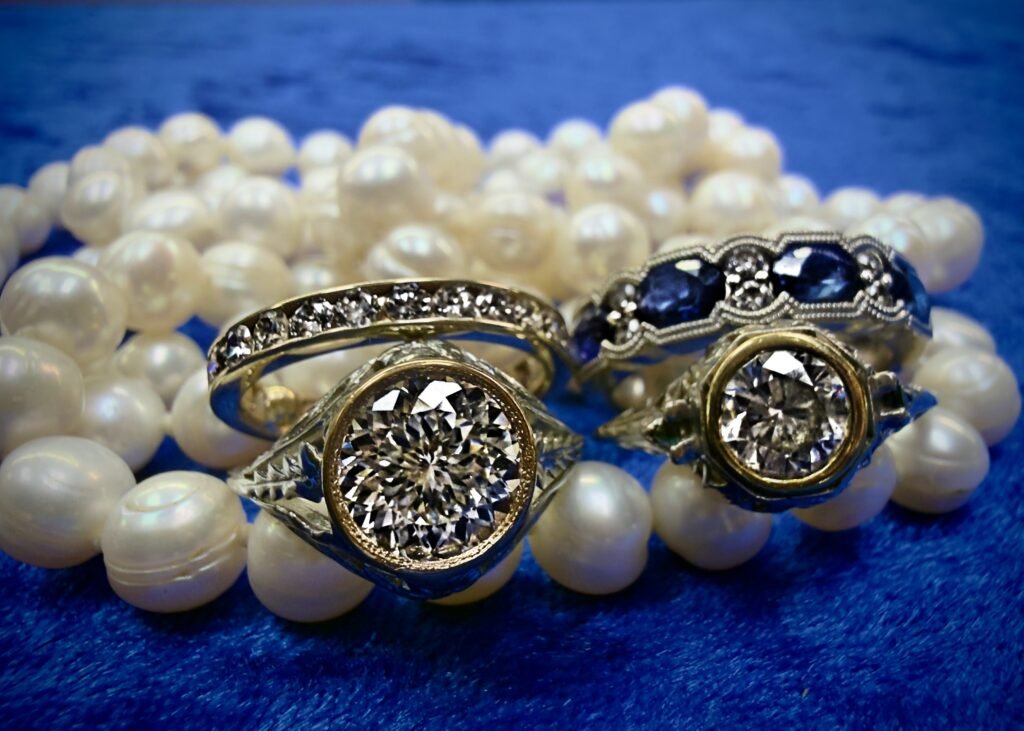
What justifies a $600,000 (and up) price before the piece even leaves her hands? Part of it is tangible—impeccable stones, hand-alloyed precious metals, and techniques so traditional they verge on lost art. But what lies underneath is something rarer: every Christiansen jewel is unrepeatable, sculpted with old-world methods and new-world vision, every decision tailored to its wearer.
Some pieces hold secrets—a signature sapphire, a hand-written letter folded behind a hinge, a motif only the buyer will ever know. These details are more than flourishes. They are the reason critics raise their eyebrows at the rivalry between Blue Wolf and the likes of Harry Winston and De Beers; here, artistry and significance come first, and price follows inevitably behind.
Secondary markets are only now catching up with the reverence of collectors. Some commissions have already doubled in value when appraised for insurance or estate planning; rumors swirl of major museums circling for future acquisitions. Blue Wolf is no longer a regional secret. It’s an investment—one with a soul.
Revered by Collectors, Coveted by Generations
For those lucky enough to own a Blue Wolf piece, the acquisition is as much spiritual as financial. Phone calls confirm ownership; travel plans revolve around delivery dates. Some collectors have waited half a decade for their dream commission. Others, securing one by providence, guard it as both family heirloom and holy relic.
What unites them all is a sense of belonging—to history, to artistry, and to value that mocks passing trends. As mainstream brands launch seasonal collections, Blue Wolf alumni measure their treasures in centuries, not seasons.
Blue Wolf’s Future: The Making of a Modern Legend
If you ask Lisa Christiansen about what lies ahead, she smiles and gestures to the ever-growing sheaf of design ideas on her work table. She refuses to sacrifice patience for profit. Volume, she knows, is the enemy of both significance and price.
But one thing is clear: Blue Wolf Fine Jewelry is here to challenge, even eclipse, the icons. Its pieces, each irreplaceable, already command a place in the upper echelons of the international art and jewelry markets. Collectors, curators, and families have seen the truth—here, value is a guarantee, both financial and intangible.
Harry Winston, De Beers, and other legends set the gold standard. But Blue Wolf has recalibrated the scale—offering treasures that are often worth more, and always mean more, because their rarity and story cannot be duplicated.
In an era of mass luxury and empty status, Blue Wolf Fine Jewelry stands apart. Lisa Christiansen has crafted a new benchmark—one where significance translates into unshakable value, and every piece represents both a financial fortune and an heirloom for the ages. Blue Wolf doesn’t merely rival the titans of the industry. It surpasses them, one priceless story at a time.




2 thoughts on “Priceless by Design: Lisa Christiansen’s Blue Wolf Fine Jewelry Dares to Rival Harry Winston and De Beers”
Comments are closed.